What AS 1288 means
for your glazing.
The short version: glass is selected against the opening it goes into — its size, its height above the floor, what is above it and what it has to resist. Not against a product brochure.
Selection, not preference.
AS 1288 is the standard that decides what glass is permitted in a given location in a building. It works from measurable things: the area of the pane, the height of the bottom edge above the floor, whether it is in a door or beside one, whether people are likely to walk into it, and the loads — wind, human impact, or what sits above.
Two consequences follow, and both matter commercially. First, a quote that names a glass "type" without a thickness is not a quote for a compliant installation. Second, replacing broken glass like-for-like is not automatically correct — the requirement belongs to the location, not the old pane.
What we record on every job
- The application and the measured panel size
- The make-up and nominal thickness supplied
- The standard the selection was made under
- Who measured, supplied and installed
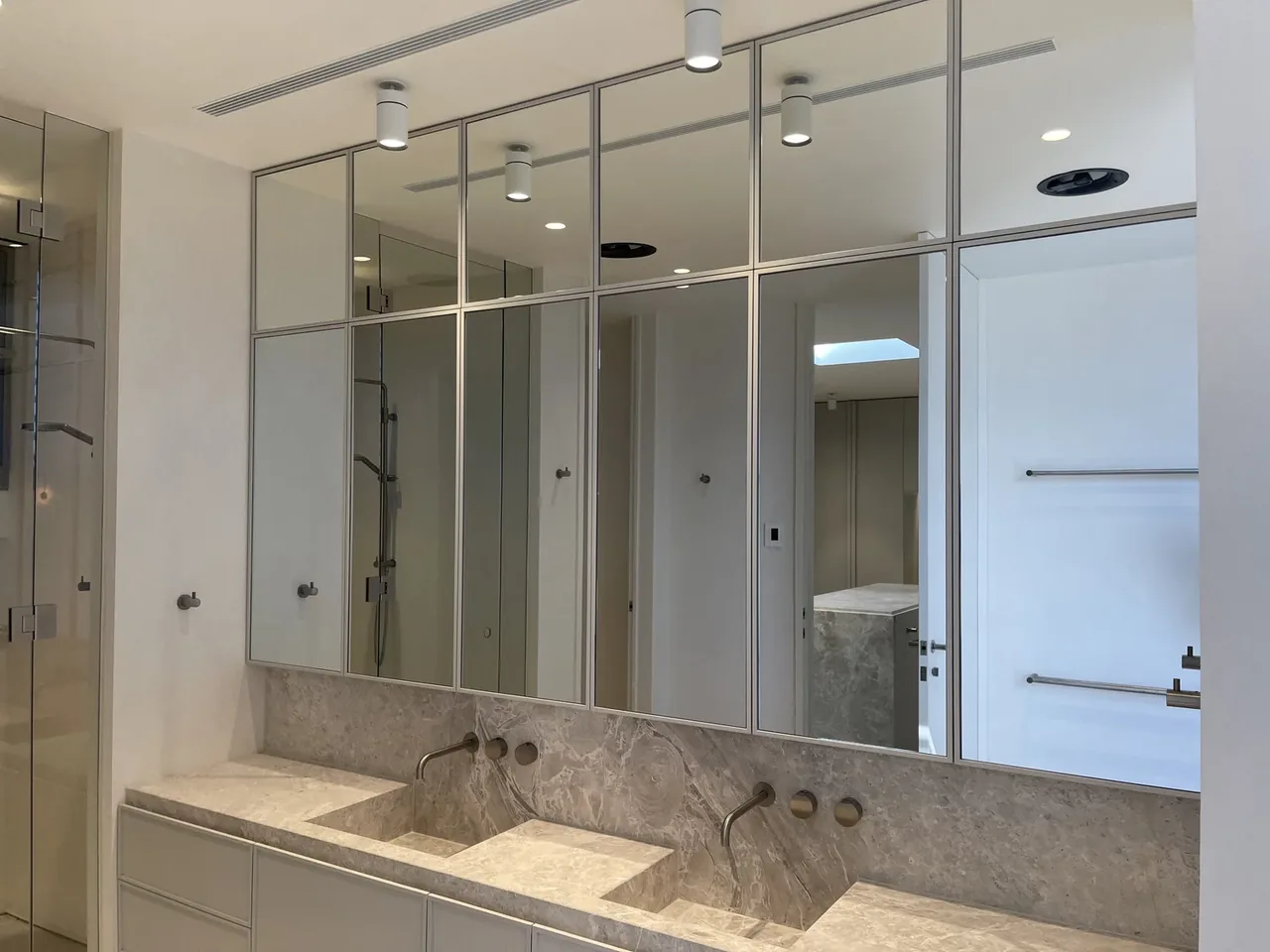
Standards we work to.
| Standard | What it covers |
|---|---|
| AS 1288 | Glass in buildings — selection and installation |
| AS 2208 | Safety glazing materials in buildings (Grade A / Grade B) |
| AS 4666 | Insulating glass units (double glazing) |
| AS 1178 | Glass in balustrades and barriers (as referenced) |
| AS 1428.1 | Access — including visibility of glazed doors and walls |
Where a project has a specification, a builder's detail or a certifier's requirement, that governs. This page explains the default position, not a substitute for project documentation.